Oil shale ash
A valuable and versatile material
Thanks to its rich mineral composition, oil shale ash is suitable for use in the manufacture of building materials, increasing crop yields and many other applications. The use of oil shale ash reduces the need for other materials that are often harmful to the environment, thereby supporting the principles of the circular economy. Ash has significant potential. In co-operation with our customers and partners, we are valorising approximately 600 million tonnes of ash reserves.
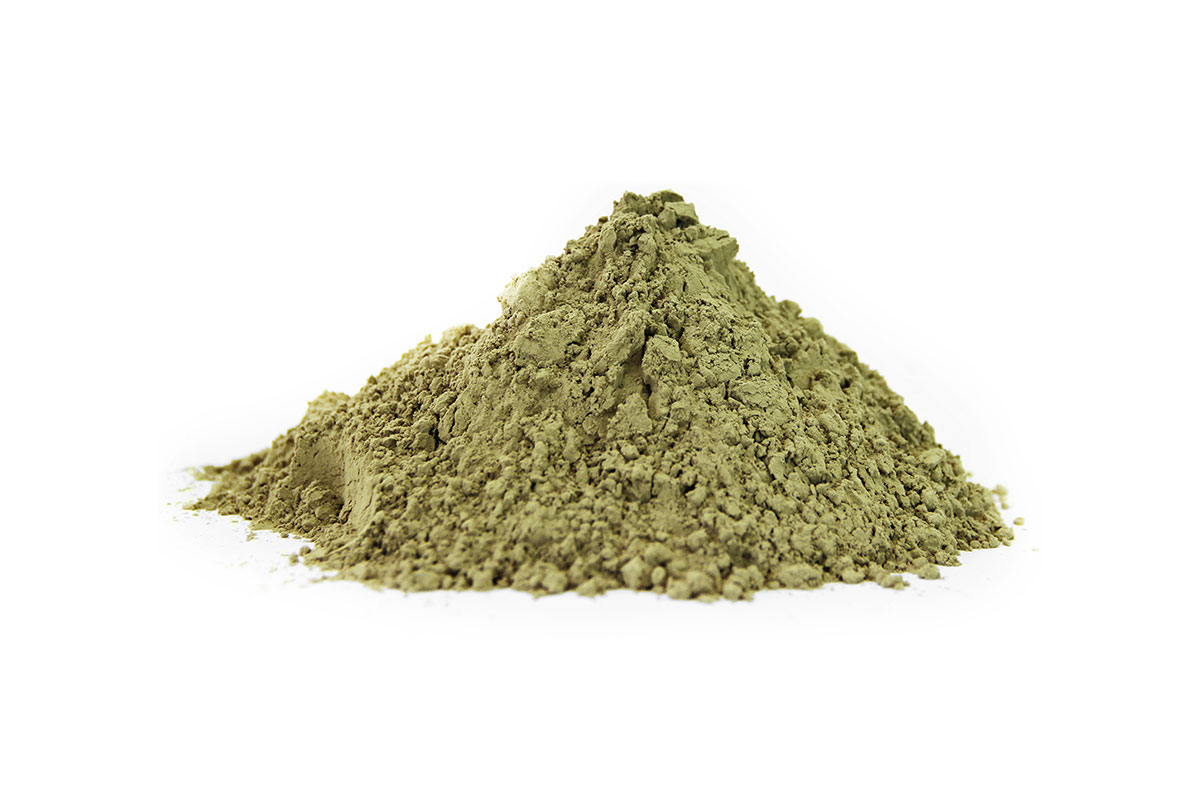
Key applications of ash today
Manufacture of building materials
Oil shale ash contains active minerals that form strong binding agents. Using ash in the manufacture of building materials helps to reduce the consumption of new raw materials such as limestone and clay. Industrial tests and studies confirm that partially replacing cement in concrete mixes with ash improves the environmental performance of the product. Read more about the basic research into oil shale ash as a concrete additive.
Agriculture
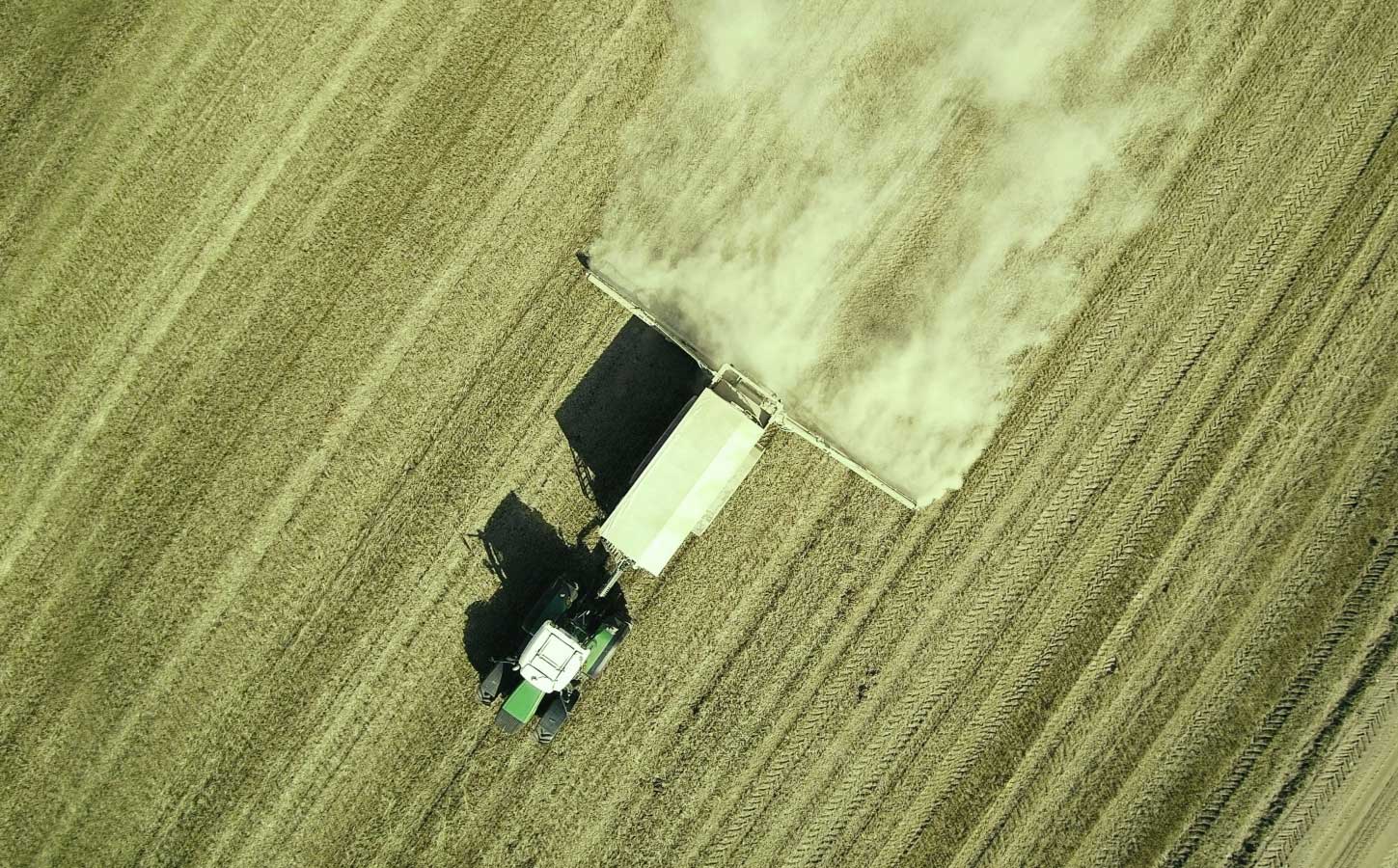
The alkaline composition of oil shale ash quickly neutralises soil acidity and increases soil fertility. This helps plants to absorb nutrients from the soil more effectively. Oil shale ash is rich in minerals essential for soil fertility and crop cultivation, and it helps to reduce the amount of CO2 released from the soil. Oil shale ash and other ash-like materials bind carbon. This is an important measure in combating climate change.
Soil stabilisation
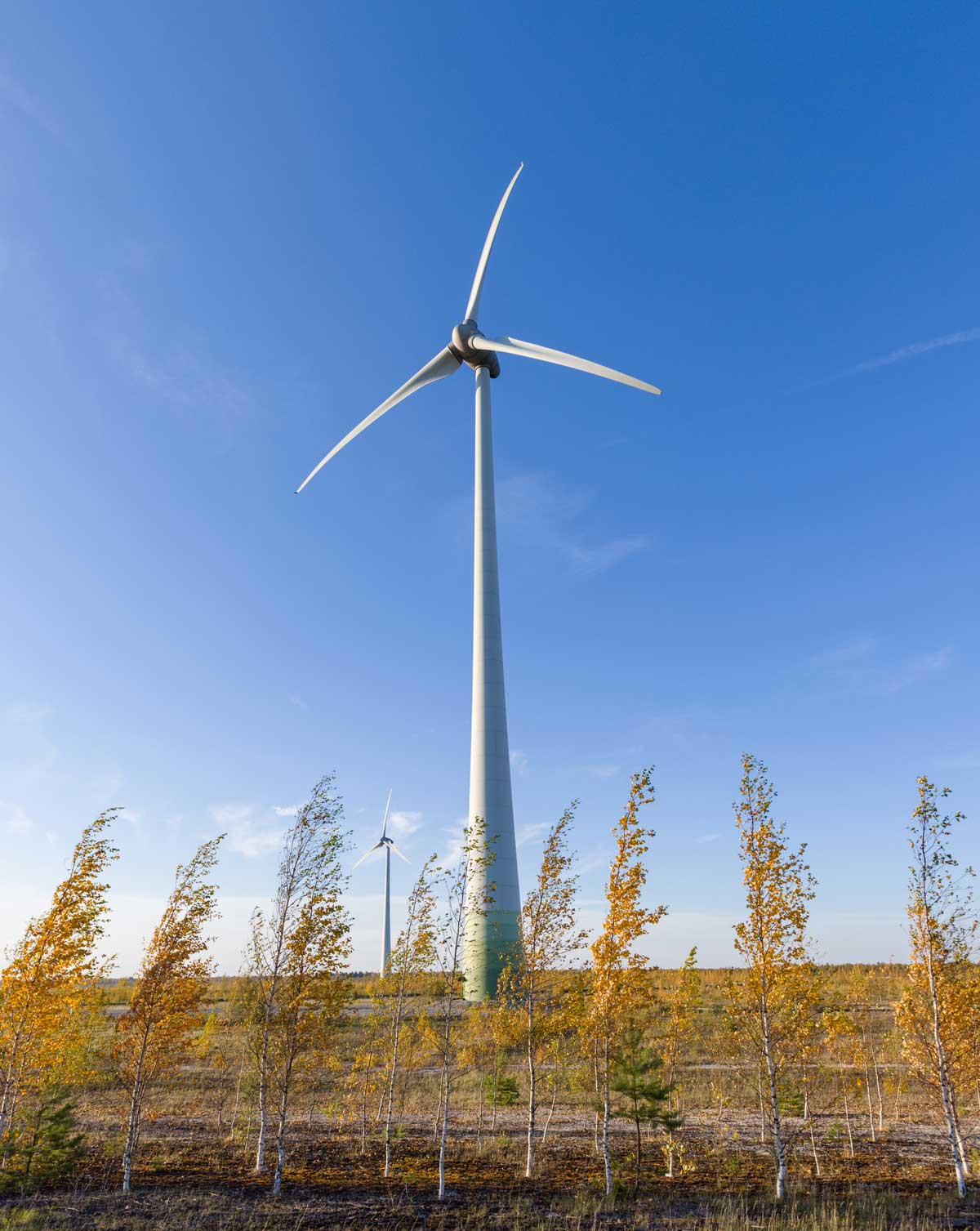
The ash field of the Balti Power Plant was used for the depositing of oil shale ash until 1987. Since 2013, a wind farm has been operating on the ash plateau, in other words, ash forms the foundation of the wind farm located near Narva.
We installed 17 wind turbines on the former ash field, each with a generating capacity of 2.3 MW, giving the Narva Wind Farm a total capacity of 39.1 MW. At full capacity, the wind farm can supply electricity to approximately 30,000 Estonian households.
In addition, oil shale ash acts as a stabilising material, reducing land subsidence and improving the mechanical strength of fill layers. Examples of soil stabilised using ash can be found both in Estonia and abroad. In Finland, oil shale ash is incorporated into stabilising mixtures that are mixed directly into the soil and used, for example, to reinforce clay soils beneath footpaths and roads without the need for excavation.
Closure of depleted oil and gas reservoirs
When mixed with water, oil shale ash forms a dense mass that prevents gases and liquids from leaking from the borehole into the ground or atmosphere. In this way, oil shale ash helps ensure the safe closure of the reservoirs.
Since 2020, oil shale ash has officially been removed from the list of hazardous waste.
This change allows for greater recycling of oil shale ash and opens up additional uses outside Estonia. Oil shale ash is registered in the European Chemicals Agency (ECHA) database, which permits its transport within the European Union (REACH registration number: 01-2119703178-42-0002). The quality of oil shale ash, or burnt shale, is determined by the standard of the Republic of Estonia (link to updated standard: EVS standard.

Contact
Tarmo Virkus
Enefit Industry, Chairman of the Management Board